Article
Navratri Day 8 Colour 2026 Maa Mahagauri Puja: Why Purple Is Special on October 18
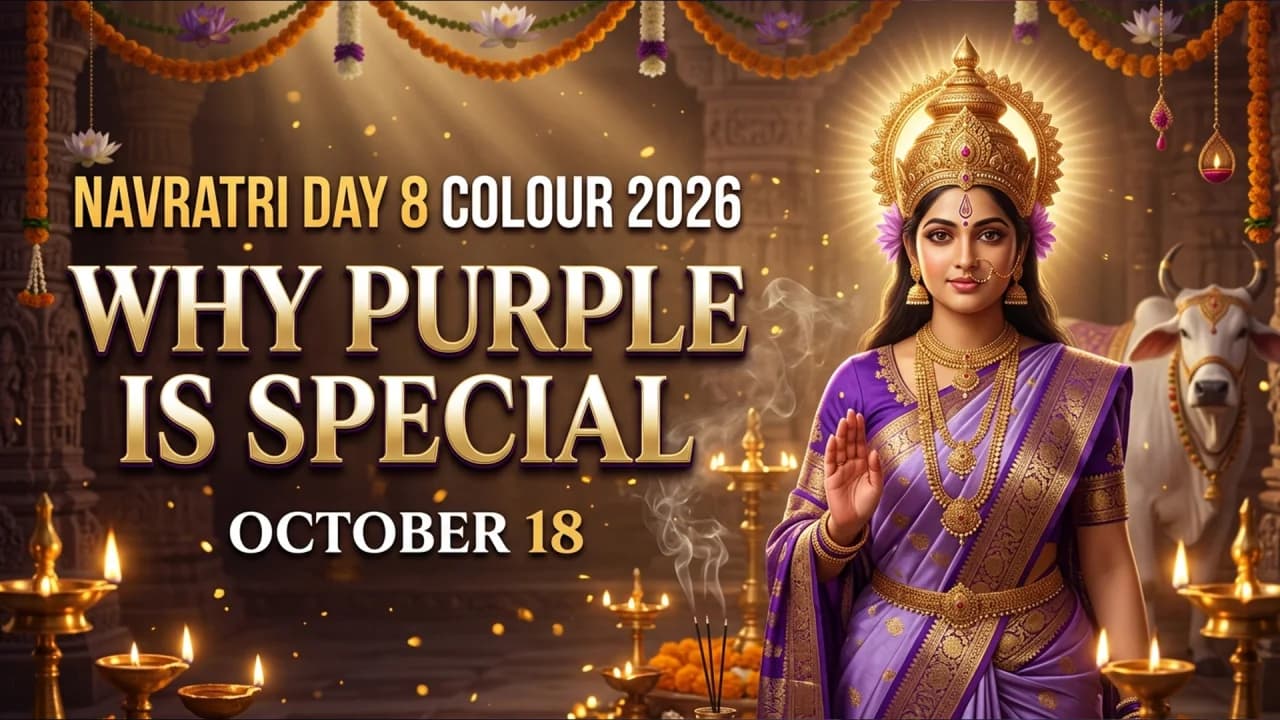
Navratri Day 8 falls on October 18, 2026. Learn why purple is special, explore Maa Mahagauri Puja Vidhi and mantra, discover festive outfit ideas, and understand the significance of Kanya Pujan on Durga Ashtami.
Navratri is one of the most colourful and spiritually important festivals in India. During these nine days, devotees worship the nine forms of Goddess Durga, observe different rituals and celebrate the victory of good over evil. From traditional outfits and devotional songs to fasting and special pujas, every day of Navratri has its own importance.
As Shardiya Navratri 2026 continues, the eighth day brings the celebration of Durga Ashtami, also known as Maha Ashtami. This day is dedicated to Maa Mahagauri, the eighth form of Goddess Durga. It is also an important occasion for families who perform Kanya Puja and seek blessings for peace, happiness and prosperity.
According to the colour sequence followed in this article, the colour for Navratri Day 8 is purple. But why is this colour special, and what can devotees wear on October 18? Let's find out.
Navratri Day 8 Colour 2026: Why Should You Wear Purple?
Purple is often connected with spirituality, wisdom, dignity and positive transformation. During Navratri, colours add a special touch to the celebrations, allowing devotees to express their faith through traditional clothing.
For October 18, 2026, purple is the designated colour in the Navratri colour sequence followed here. The colour represents inner strength, spiritual growth and the desire to become a better version of ourselves.
Many devotees choose purple sarees, salwar suits, lehengas or kurtas for the day's celebrations. Some prefer lighter shades like lavender and lilac, while others choose deep violet or plum.
However, wearing purple is a festive tradition, not a compulsory religious rule. Devotees can celebrate according to their beliefs, comfort and family customs.
Which Goddess Is Worshipped on Navratri Day 8?
The eighth day of Navratri is dedicated to Maa Mahagauri, one of the nine forms of Goddess Durga. She is associated with purity, peace, compassion and spiritual renewal.
According to Hindu tradition, Maa Mahagauri is depicted with a radiant complexion and a calm, peaceful appearance. Her name is made up of two words: Maha, meaning great, and Gauri, associated with brightness and purity.
Devotees worship Maa Mahagauri to seek blessings for happiness, peace, prosperity and relief from difficulties. Her form reminds people of the importance of keeping their thoughts positive and moving forward with faith.
For many devotees, Ashtami is also a time to reflect on their actions, strengthen their spiritual connection and pray for the well-being of their families.
What Does Purple Symbolise During Navratri?
Purple is more than just a festive colour. It is often associated with several positive qualities that connect with the spiritual atmosphere of Navratri.
1. Spiritual growth: Purple represents devotion, self-reflection and a deeper connection with one's spiritual side.
2. Wisdom and understanding: The colour is linked with thoughtful decisions, learning and personal development.
3. Dignity and grace: Purple is often seen as a symbol of elegance, confidence and inner strength.
4. Positive transformation: Navratri encourages devotees to move away from negativity and welcome positive changes in life. Purple reflects this idea of growth and renewal.
These meanings are symbolic, and their interpretation can vary across traditions. The main purpose of Navratri remains devotion, prayer and the celebration of Maa Durga.
What to Wear on Navratri Day 8: Purple Outfit Ideas
If you enjoy dressing up during Navratri, October 18 is a good opportunity to add purple to your festive look. You do not need to buy an expensive outfit. Even a small touch of purple can help you follow the colour tradition.
Here are some easy outfit ideas:
Purple saree: A purple saree with a gold or silver border is a classic choice for Ashtami puja. You can pair it with traditional earrings and simple bangles.
Purple salwar suit: A comfortable purple suit with light embroidery works well for home puja, temple visits and family gatherings.
Purple lehenga: If you are attending a Navratri event, a purple lehenga with traditional jewellery can create a festive look.
Purple kurta: Men can wear a purple kurta with white, cream or beige trousers for a simple traditional outfit.
Purple dupatta or accessories: If you do not want to wear purple from head to toe, try a purple dupatta, stole or accessory with clothes you already own.
Lavender, lilac, plum and deep violet are all options to consider. Choose an outfit that makes you feel comfortable and confident while respecting your family's traditions.
Navratri Day 8 2026: Date and Significance
Navratri Day 8 falls on Sunday, October 18, 2026, according to the calendar followed here. The day is celebrated as Durga Ashtami or Maha Ashtami and is dedicated to Maa Mahagauri.
Many devotees observe special prayers, offer flowers and sweets, and perform aarti on this occasion. Some families also organise Kanya Puja, a ritual in which young girls are honoured as symbolic manifestations of the divine feminine.
The exact puja timings and observances may differ according to the local panchang, location and family tradition. Devotees should check their local calendar for the appropriate muhurat.
Navratri Day 8 Puja Vidhi: How to Worship Maa Mahagauri
Devotees can perform a simple puja at home to seek the blessings of Maa Mahagauri. The following steps offer a general guide; families may follow their own traditional rituals.
Clean the puja area: Prepare a clean space and place Maa Mahagauri's idol or picture on a suitable platform.
Light a diya: Light a diya and offer fresh flowers, fruits, sweets and other traditional offerings.
Chant the mantra: Pray with devotion and chant the mantra, “Om Devi Mahagauryai Namah.”
Offer your prayers: Ask Maa Mahagauri for peace, strength, happiness and well-being for your family.
Perform aarti: Conclude the puja with aarti and distribute prasad among family members.
Remember, devotion and sincerity are more important than elaborate arrangements. You can perform the puja according to your family's customs and available resources.
Kanya Puja on Ashtami: Why Is It Important?
Kanya Puja, also called Kanjak Puja, is one of the most widely followed traditions during Navratri. Many families perform this ritual on Ashtami, while others observe it on Navami.
During Kanya Puja, young girls are honoured as symbols of Goddess Durga and the divine feminine energy. Traditionally, families invite girls, often between two and ten years of age, to participate in the ceremony.
The ritual may include washing their feet, applying tilak, offering prayers and serving traditional food such as puri, kala chana and halwa. Families may also offer gifts or money according to their customs. The ceremony is an expression of respect, gratitude and devotion.
The deeper message of Kanya Puja is to honour the dignity of girls and treat them with kindness and respect in everyday life, not just during festivals.
Celebrate Navratri Day 8 With Faith and Positivity
Navratri Day 8 is a meaningful occasion to worship Maa Mahagauri, celebrate the spirit of Durga Ashtami and spend time with family. Purple adds a festive touch to the day, while puja and Kanya Puja help devotees connect with the traditions of the festival.
Whether you wear a purple saree, choose a simple kurta or celebrate in your regular clothes, the most important part is the devotion behind your actions.
As October 18 approaches, prepare for Ashtami with faith, kindness and positivity. May Maa Mahagauri's blessings inspire peace, wisdom and happiness in every home.