Blog
Bhai Dooj 2026: Why Do Sisters Apply Tilak on Their Brothers’ Foreheads?
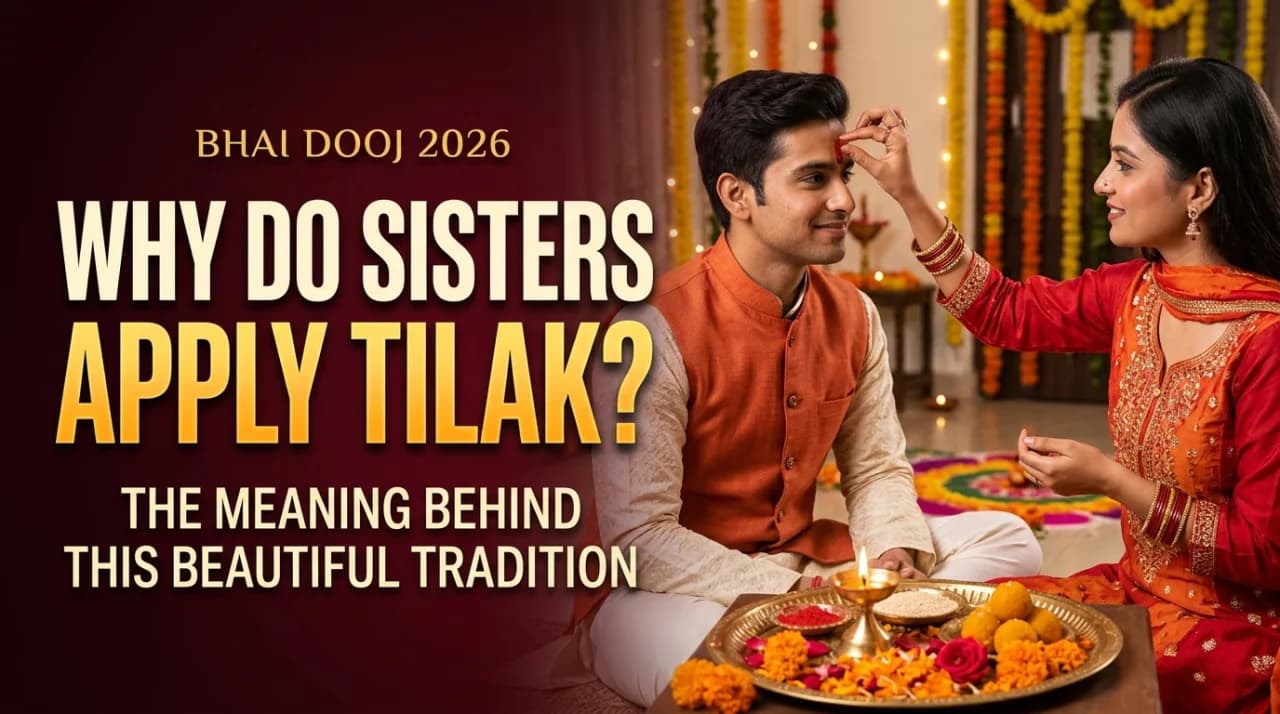
Why do sisters apply tilak on Bhai Dooj? Discover the story of Yamraj and Yamuna, the meaning behind the tilak ceremony, traditional rituals and the importance of celebrating sibling love.
Diwali is known for its sparkling lights, colourful rangoli, sweets and family celebrations. But did you know that the festivities continue even after the main Diwali night? Bhai Dooj is one of the final celebrations of the Diwali season and is dedicated to the special bond between brothers and sisters.
On this day, sisters apply a tilak on their brothers' foreheads, perform aarti and pray for their health, happiness and prosperity. Brothers, in return, show their love and appreciation through blessings, gifts and promises of support.
But have you ever wondered why sisters apply tilak on Bhai Dooj? What is the story behind this tradition, and why is the festival considered so special? Let's explore its mythological origins, rituals and meaning.
What Is Bhai Dooj and Why Is It Celebrated?
Bhai Dooj is a Hindu festival celebrated on the second lunar day, known as Dwitiya, during the bright fortnight of the month of Kartik. It usually falls two days after Diwali and is also called Bhaiya Dooj, Bhau Beej or Bhai Tika in different regions.
The festival celebrates the relationship between siblings. Traditionally, sisters invite their brothers home, perform a tilak ceremony and pray for their well-being. Families then share sweets and a meal, making the day a warm and joyful occasion.
Although the rituals differ across India, the main idea remains the same: celebrating sibling love, care and mutual respect.
The Mythological Story Behind Bhai Dooj
One of the most popular stories associated with Bhai Dooj is the legend of Yamraj, the Hindu god of death, and his sister, Yamuna, who is also known as the river goddess.
According to the traditional story, Yamuna wanted her brother to visit her home. After waiting for a long time, she finally welcomed him with great affection when he arrived.
She prepared a special meal for him, applied a tilak on his forehead and performed aarti. Her warm welcome and loving gestures made Yamraj very happy.
Touched by his sister's devotion, Yamraj offered her a boon. Yamuna asked that brothers who visited their sisters on this special day, received their blessings and shared a meal with them would be blessed with happiness and prosperity.
Yamraj accepted her wish. According to the legend, this tradition became associated with Bhai Dooj, reminding people of the importance of the bond between siblings.
This story explains why many sisters invite their brothers home and perform the tilak ceremony. It also gives the festival its deeper meaning: taking time to appreciate family relationships and pray for the well-being of loved ones.
Why Do Sisters Apply Tilak on Bhai Dooj?
The tilak ceremony is the most recognisable ritual of Bhai Dooj. Sisters apply a sacred mark to their brothers' foreheads while offering prayers for their health, happiness and long life.
Traditionally, the tilak may be made using roli, or red vermilion, along with rice grains known as akshat. Some families also use sandalwood paste or other materials according to their customs.
In Hindu traditions, the forehead tilak is associated with auspiciousness, blessings and devotion. It is applied during various religious ceremonies and festivals as a symbol of respect and good wishes.
On Bhai Dooj, the tilak represents a sister's heartfelt prayers for her brother. It is a small gesture, but it carries a lot of emotional meaning.
The ritual is also a reminder that siblings can be an important source of support throughout life. Brothers and sisters may grow older, move to different cities or become busy with work and studies, but the festival encourages them to reconnect and celebrate their relationship.
Bhai Dooj 2026: Date and Puja Muhurat
Bhai Dooj is determined by the Hindu lunar calendar and falls on Kartik Shukla Dwitiya.
In 2026, Bhai Dooj is expected to be celebrated on Sunday, November 8. The exact puja timings should be checked using a reliable Panchang for your city, as the Dwitiya tithi and auspicious muhurat can vary by location.
Many families perform the tilak ceremony during the afternoon, following their regional traditions and the prescribed muhurat.
Checking the local Panchang before beginning the rituals can help families plan their celebrations comfortably.
Bhai Dooj Rituals: How Is the Festival Celebrated?
Bhai Dooj is celebrated with simple yet meaningful rituals. Here are some common traditions followed by families across India.
1. Preparing the Puja Thali
Sisters prepare a puja thali with roli, rice grains, a diya, sweets and other items required for the ceremony. Some families also include flowers, fruits, sandalwood paste and betel nuts.
2. Applying Tilak and Performing Aarti
The sister applies tilak to her brother's forehead and performs aarti while praying for his well-being. In some traditions, prayers are also offered to Yamraj and Yamuna.
3. Offering Sweets
After the ceremony, sisters offer sweets to their brothers. Barfi, laddoo, peda and kheer are popular choices, although families often prepare whatever everyone enjoys.
4. Sharing a Special Meal
Food plays an important role in many Indian festivals, and Bhai Dooj is no exception. Brothers and sisters sit together for a festive meal, often enjoying homemade dishes and their favourite treats.
5. Exchanging Gifts
Brothers may give their sisters money, clothes, jewellery, books or personalised gifts. Sisters may also give their brothers sweets or thoughtful presents.
These exchanges are not the main purpose of the festival. They are simply another way of expressing affection and appreciation.
How Is Bhai Dooj Celebrated in Different Regions?
Although the central idea is similar, Bhai Dooj has different names and customs across India.
In Maharashtra and Goa, the festival is commonly known as Bhau Beej. In Nepal, Bhai Tika is celebrated with colourful tika and prayers for siblings. In parts of North India, the festival is widely known as Bhaiya Dooj.
Some communities follow additional customs, such as preparing special dishes, using multiple colours for tika or observing regional prayers. These differences make the celebration an interesting example of India's cultural diversity.
Bhai Dooj in Modern Times
Today, families celebrate Bhai Dooj in both traditional and modern ways. Some follow every ritual at home, while others arrange video calls when siblings live in different cities or countries.
A gift might be a book, a plant, a handwritten note or simply a meal together. What matters most is the thought and affection behind the gesture.
The festival is also a reminder that care and support should come from both sides. Sisters and brothers can encourage one another, celebrate each other's achievements and stand together during difficult times.
Final Thoughts
Bhai Dooj is much more than a tilak ceremony or an exchange of gifts. The story of Yamraj and Yamuna explains the traditional significance of the festival, while the rituals give families a chance to express love and gratitude.
From preparing the puja thali to sharing sweets and spending quality time together, every part of the celebration helps strengthen sibling relationships.
In today's busy world, Bhai Dooj offers a beautiful reason to pause, reconnect and remind our brothers and sisters how much they mean to us.