Blog
Navratri Day 7 2026: Worship Maa Kalaratri and Know Her Favourite Bhog
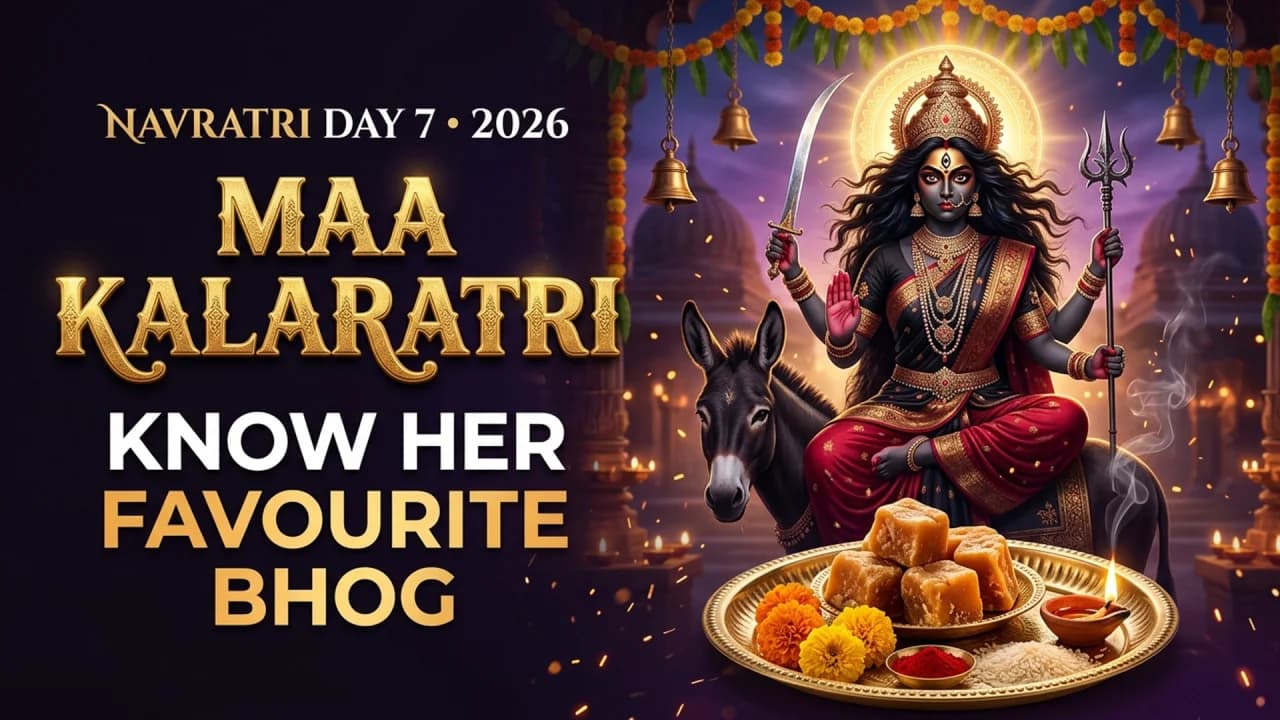
Navratri Day 7 2026 is dedicated to Maa Kalaratri, the fierce form of Goddess Durga. Learn about her puja vidhi, bhog, mantra, aarti, significance, and the traditional importance of grey colour during Sharad Navratri.
Shardiya Navratri is a special time when devotees worship the nine forms of Goddess Durga. Each day has its own spiritual meaning, traditional rituals and a unique form of the Goddess. From wearing festive colours to offering bhog and chanting mantras, people celebrate Navratri with faith and devotion.
The seventh day of Navratri is dedicated to Maa Kalaratri, the seventh form of Goddess Durga. Her appearance may look fierce, but she is believed to protect her devotees from negative forces, fear and difficulties. She represents courage, strength and the power to overcome darkness.
In 2026, Shardiya Navratri is expected to be observed from October 11 to October 19, with the seventh day falling on October 17, 2026, according to this calendar sequence. On this day, devotees worship Maa Kalaratri and offer prayers for courage, peace and protection.
But how should you worship Maa Kalaratri at home? What bhog is traditionally offered to her, and which mantra can you chant during puja? Here is everything you need to know.
Who Is Maa Kalaratri?
Maa Kalaratri is the seventh form of Goddess Durga and one of the most powerful forms worshipped during Navratri. Her name combines the words Kaal, which can refer to time or death, and Ratri, meaning night.
According to Hindu tradition, Maa Kalaratri has a dark complexion, dishevelled hair and a fearless appearance. She is often depicted riding a donkey and holding weapons in her hands. Her form represents the destruction of evil and the courage to face difficult situations.
Although her appearance is fierce, Maa Kalaratri is also known as a compassionate protector of her devotees. Her worship reminds people that even during the darkest phases of life, courage and faith can help them move forward.
Devotees pray to her for strength, protection and the ability to overcome fear. The seventh day of Navratri is therefore considered an important occasion for spiritual reflection and devotion.
Maa Kalaratri Puja Vidhi: How to Worship Her at Home
Devotees can perform Maa Kalaratri's puja at home by following their family traditions. A simple puja can include these steps:
Step 1: Wake up early and prepare for puja
Wake up in the morning, take a bath and wear clean clothes. Clean the puja area and arrange the necessary items before beginning the worship.
Step 2: Place the Goddess's picture or idol
Place Maa Kalaratri's picture or idol on a clean platform. Arrange flowers, roli, rice grains, water and other traditional puja items nearby.
Step 3: Light a diya
Light a diya in front of the Goddess. Offer flowers and water while praying with a calm and devoted mind.
Step 4: Chant Maa Kalaratri's mantra
Chant her mantra while remembering her divine form and seeking her blessings. You can repeat it several times according to your family tradition.
Step 5: Offer bhog
Offer jaggery, also known as gud, or a sweet prepared with jaggery as bhog. Make the offering with devotion and follow the customs practised in your home.
Step 6: Perform aarti
Conclude the puja by performing Maa Kalaratri's aarti. Distribute the prasad among family members after the ritual.
Remember that specific rituals may differ between households and regions. Devotion and sincerity are central to the worship.
What Is Maa Kalaratri's Favourite Bhog?
Jaggery, or gud, is traditionally associated with Maa Kalaratri's worship. Many devotees offer jaggery during the seventh day of Navratri as part of their prayers.
You can offer a small piece of jaggery or prepare a traditional sweet using it. Place the offering before the Goddess during puja and distribute it as prasad afterward.
In Hindu tradition, bhog is offered as a gesture of love, gratitude and devotion. The offering may vary depending on family customs and regional practices.
Devotees should prepare and offer food according to their traditions rather than feeling that an elaborate arrangement is necessary.
Which Colour Should You Wear on Navratri Day 7?
Grey is commonly associated with the seventh day of Navratri in some colour sequences. It represents balance, patience and composure.
Devotees who follow this colour tradition can wear a grey kurta, saree, salwar suit or another comfortable outfit during Maa Kalaratri's puja. You can also add grey through a dupatta, stole or accessory.
However, Navratri colour sequences can vary according to calendars and regional traditions. Wearing a particular colour is a festive custom, not a compulsory requirement for worship.
The most important thing is to celebrate the day with faith and respect for your family's traditions.
Maa Kalaratri Mantra
Devotees can chant the following mantra while worshipping Maa Kalaratri:
ॐ देवी कालरात्र्यै नमः।
English transliteration: Om Devi Kalaratryai Namah.
The mantra is a traditional salutation to Maa Kalaratri. Devotees chant it to express their devotion and seek the Goddess's blessings for courage, strength and protection.
You can chant the mantra while offering flowers or during meditation. Try to focus on the prayer rather than worrying about completing a particular number of repetitions.
Maa Kalaratri Aarti
The aarti is an important part of worship for many devotees. Families may sing a traditional Maa Kalaratri or Mahakali aarti according to their customs.
One commonly recited opening verse is:
Kalratri Jai-Jai-Mahakali,
Kaal Ke Muh Se Bachane Wali.
Dusht Sangharak Naam Tumhara,
Maha Chandi Tera Avatara.
The aarti praises the Goddess's power to destroy evil and protect her devotees. If your family follows a particular version, you can continue with the complete lyrics used in your household or temple.
Why Is Maa Kalaratri Worshipped During Navratri?
Maa Kalaratri's worship is connected with courage, protection and the victory of good over evil. Her fierce appearance reminds devotees that strength is sometimes needed to face challenges and stand against wrongdoing.
For many people, Navratri is also a time to leave behind negative habits, practise self-discipline and focus on positive changes. Praying to Maa Kalaratri can serve as a reminder to remain brave and hopeful during difficult times.
Celebrate Navratri Day 7 With Faith
Navratri Day 7 is an opportunity to worship Maa Kalaratri and reflect on the importance of courage, patience and inner strength. Devotees can offer jaggery, chant her mantra, perform aarti and follow their family's traditional puja rituals.
Whether you perform a detailed puja or offer a simple prayer at home, approach the occasion with sincerity and respect.
May Maa Kalaratri inspire courage, protect devotees from fear and bring peace and positivity to every home during Shardiya Navratri 2026.