Blog
Saphala Ekadashi 2026: Fasting Rules, Benefits and Puja Vidhi
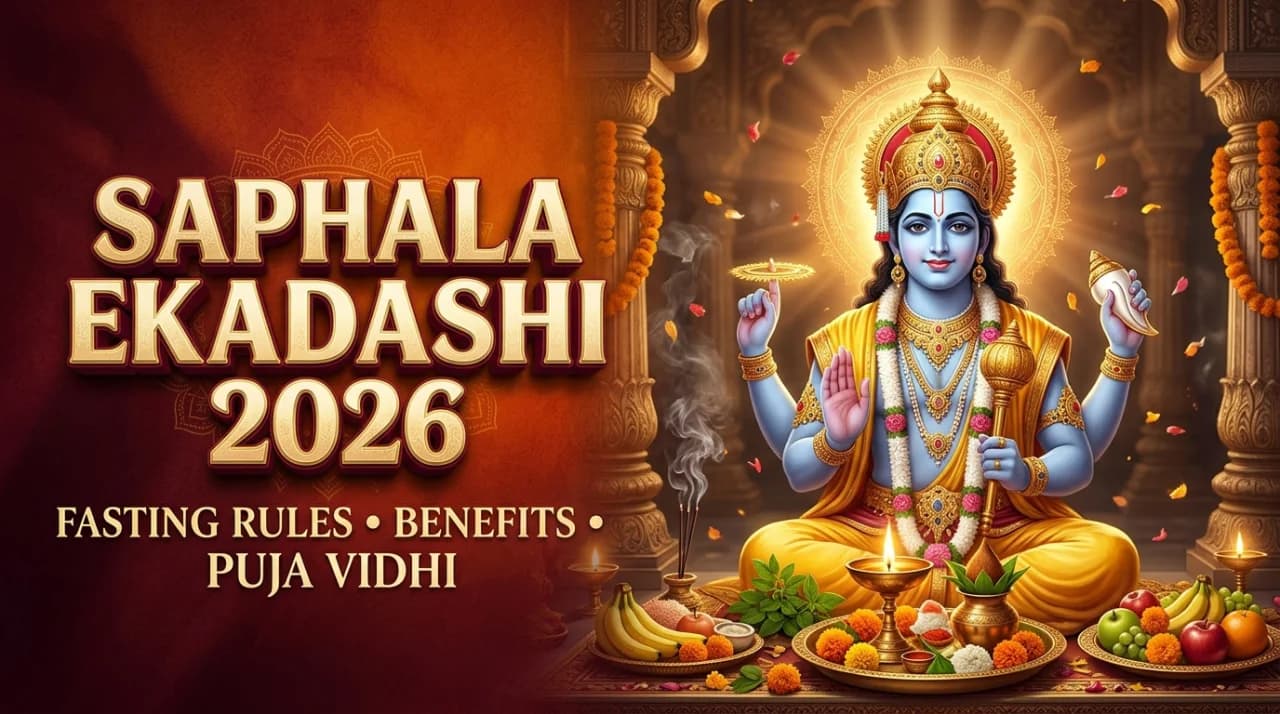
Saphala Ekadashi with simple puja rituals, fasting guidelines, permitted foods and prayers to Lord Vishnu. Discover the spiritual significance of Ekadashi and tips for observing the vrat safely.
Ekadashi is an important Hindu observance dedicated to Lord Vishnu. Devotees observe a fast, offer prayers and spend time remembering the Lord on this auspicious day. Saphala Ekadashi is one of the Ekadashis associated with success, prosperity and spiritual growth.
The word Ekadashi refers to the eleventh lunar day. It occurs twice in most lunar months: once during Shukla Paksha, the waxing phase of the Moon, and once during Krishna Paksha, the waning phase. This means there are generally 24 Ekadashis in a lunar year, although an additional lunar month can increase the number.
Let's understand the meaning of Ekadashi, its fasting rules, puja vidhi, traditional benefits and some common questions devotees have.
What Is the Spiritual Significance of Ekadashi?
Ekadashi holds a special place in Vaishnava traditions because it is dedicated to Lord Vishnu. Many devotees believe that fasting and praying on this day help them develop self-control, strengthen their faith and seek the Lord's blessings.
The observance is also connected with the idea of controlling the senses and avoiding distractions. Instead of spending the entire day following everyday routines, devotees may choose to read religious texts, chant Vishnu mantras, perform charity or visit a temple.
According to Hindu beliefs, observing Ekadashi with devotion brings spiritual merit and helps devotees move towards a more disciplined life.
From a modern perspective, taking time for prayer, reflection and mindful eating may help some people develop healthier routines. However, claims that Ekadashi automatically removes negative karma or guarantees success are matters of religious belief rather than scientifically established outcomes.
Ekadashi Fasting Rules: Four Common Approaches
Fasting practices vary between families and religious traditions. Not everyone needs to follow the strictest form of fasting to participate in the observance.
1. Nirjala Vrat
Nirjala means observing a fast without food or water. It is a particularly strict form of fasting and is famously associated with Nirjala Ekadashi. It can cause dehydration and is not suitable for everyone.
2. Phalahar Vrat
In this form, devotees consume fruits, milk, nuts and other foods permitted by their tradition. They avoid regular meals containing grains and pulses.
3. Fasting with permitted foods
Many devotees prepare dishes using ingredients such as sabudana, makhana, buckwheat flour (kuttu), water chestnut flour (singhara) or barnyard millet (samak). Sendha namak, or rock salt, is commonly used instead of regular table salt.
4. A partial or modified fast
Some people choose lighter meals or continue eating as needed because of their age, health or daily responsibilities. They can still participate through prayer, mantra chanting and reading the Ekadashi vrat katha.
The purpose of fasting is religious discipline, not harming the body. Children, pregnant or breastfeeding women, older adults and people with medical conditions should avoid strict fasting unless advised appropriately by a healthcare professional.
What to Eat and Avoid on Ekadashi
Food rules depend on the tradition being followed. A general guide is given below.
Foods commonly allowed by many traditions:
Fresh fruits and coconut
Milk, curd and other permitted dairy products
Almonds, cashews and raisins
Makhana and sabudana
Kuttu or singhara preparations
Samak rice, where permitted
Water and other suitable drinks
Foods commonly avoided:
Rice, wheat and regular cereals
Dal and other pulses
Onion and garlic, according to family custom
Meat, fish and eggs
Alcohol and other intoxicating substances
Some traditions have stricter rules than others, so it is best to follow your family's practices or seek guidance from your temple.
There is a traditional religious explanation connecting the avoidance of grains with the story of the demon Mura. This is part of Hindu devotional belief, not a scientifically established explanation for food restrictions.
Step-by-Step Ekadashi Puja Vidhi
You can observe Ekadashi at home with simple arrangements and sincere devotion.
The Day Before Ekadashi
The previous lunar day is called Dashami. Devotees may eat a simple, saatvik meal, avoid overeating and prepare for the next day's observance. Many also try to avoid arguments and harmful behaviour.
Morning Puja
Wake up early and take a bath.
Clean the puja area and wear clean clothes.
Place an image or idol of Lord Vishnu on the altar.
Light a diya and offer flowers and Tulsi leaves according to your tradition.
Take a Sankalpa, or personal intention, to observe the vrat sincerely.
Chant a Vishnu mantra or read a few verses from the Bhagavad Gita.
Offer permitted fruits or other bhog to the Lord.
Throughout the Day
Devotees may read the Vishnu Purana, listen to the Ekadashi vrat katha, chant prayers or visit a Vishnu temple. Some also donate food, clothes or other essentials to people in need.
In the evening, devotees can perform aarti, light a diya and spend time in prayer. Staying awake throughout the night, known as jagran, is practised by some devotees but is not compulsory for everyone.
Dwadashi Parana
The fast is traditionally completed on Dwadashi, the lunar day after Ekadashi. The correct Parana window depends on the tithi and local panchang. It should not be assumed that the timing is always the first 90 minutes after sunrise.
Check a reliable regional panchang for the precise time. After completing the fast, devotees generally begin with water or a light meal suitable for their needs and customs.
What If You Accidentally Break the Fast?
Sometimes people forget the date, eat something unintentionally or feel too weak to continue fasting.
There is no need to panic. Religious practices and responses to mistakes differ between traditions. You can offer a sincere prayer, continue with any suitable parts of the observance and seek guidance from your family priest if necessary.
If you experience weakness, dizziness or other concerning symptoms, prioritise your health and stop the fast if needed. You do not have to undertake additional fasting or complicated remedies as punishment.
For people who cannot fast, reading the vrat katha, chanting Vishnu's name, offering prayers or performing acts of kindness can be meaningful ways to observe the day.
Common Questions About Ekadashi
1. Why are grains avoided on Ekadashi?
Many Hindu traditions prescribe avoiding grains and pulses as part of the vrat. The practice is explained through religious stories and customs, rather than established medical evidence that grains become harmful on Ekadashi.
2. Can I drink tea or coffee during Ekadashi?
Practices vary. Some devotees avoid caffeine, while others permit tea or coffee. If you normally consume caffeine, remember that suddenly stopping it may cause headaches. Choose drinks according to your health and tradition.
3. Is Vaikuntha Ekadashi different from other Ekadashis?
Yes. Vaikuntha Ekadashi is especially important in many South Indian Vaishnava traditions. Temples may arrange special worship and Vaikuntha Dwara Darshan. Mokshada Ekadashi and Vaikuntha Ekadashi are distinct observances, even though their dates can fall close together in some years.
4. Should I observe every Ekadashi?
You can decide according to your beliefs, health and daily routine. Some devotees observe every Ekadashi, while others observe selected ones. Consistency and sincere participation matter more than forcing yourself to follow a difficult routine.
5. Can children observe Ekadashi?
Children should not be forced to fast strictly because they need sufficient nutrition for growth. They can participate by offering prayers, listening to stories and eating regular, balanced meals.
Conclusion
Saphala Ekadashi and other Ekadashi observances offer devotees an opportunity to worship Lord Vishnu, practise self-discipline and reflect on their actions. Fasting is one part of the tradition, but prayer, kindness, charity and personal reflection are also important.
Whether you follow a strict vrat or a simple home puja, choose an approach that respects your health and family traditions. The deeper message of Ekadashi is to make time for devotion, develop self-control and bring more awareness into everyday life.