Blog
Shardiya Navratri 2026 Colors Day-Wise List: Which Colour to Wear from October 11 to 19?
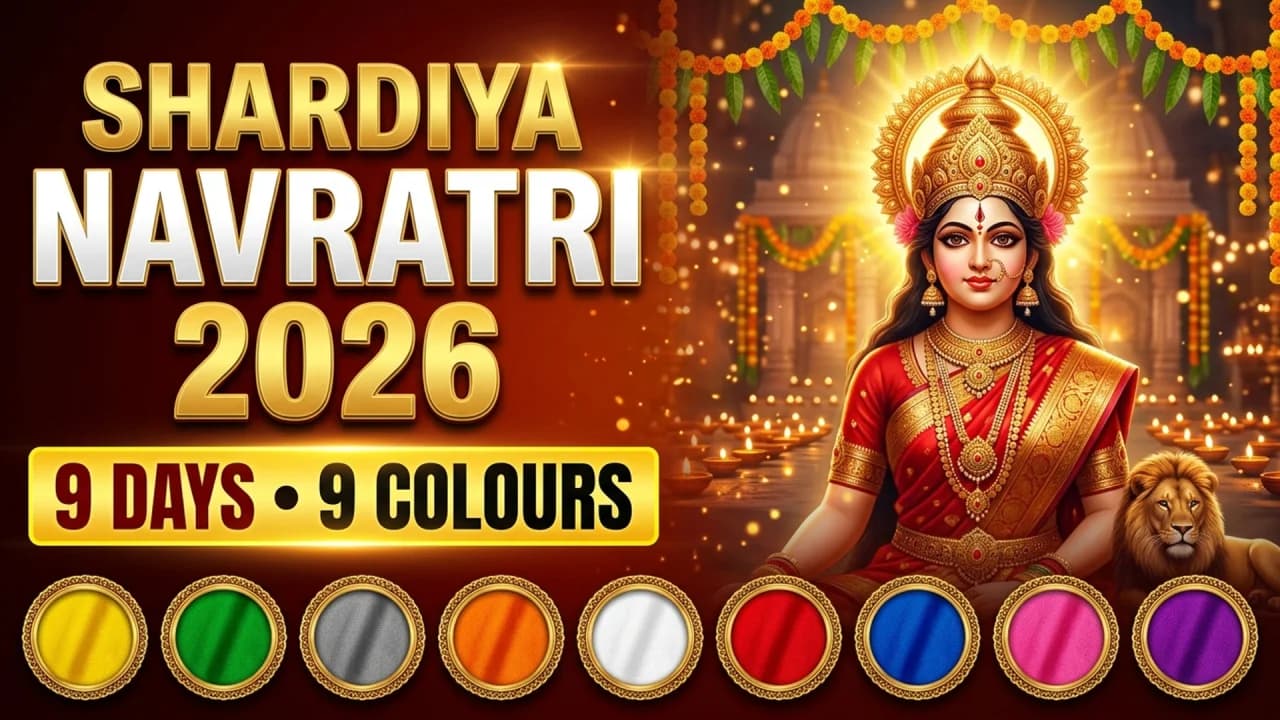
Shardiya Navratri 2026 begins on October 11 and ends on October 19. Check the complete day-wise Navratri colour list, nine colours, Maa Durga's forms, colour significance, and outfit ideas for all nine days of Navratri.
Shardiya Navratri is one of the most celebrated Hindu festivals in India. During these nine days, devotees worship the nine forms of Goddess Durga, observe fasts, visit temples, and decorate their homes to welcome the festive season. From setting up a beautiful puja space to attending garba nights and spending time with family, Navratri brings a special kind of excitement.
Shardiya Navratri 2026 is scheduled to begin on October 11 and end on October 19, according to the dates provided in the festival calendar. Along with prayers and rituals, wearing a different colour each day has also become a popular Navratri tradition. Many devotees follow the nine-colour theme as a way to express their devotion to Maa Durga.
If you are already planning your Navratri outfits, knowing the day-wise colours can help you prepare in advance. Whether you prefer a traditional saree, a simple kurta, an ethnic suit, or a festive lehenga, you can easily add these colours to your everyday look.
Here is a day-wise guide to the nine Navratri colours, the forms of Goddess Durga worshipped each day, and the traditional significance associated with them.
Why Do People Wear Different Colours During Navratri?
During Navratri, every day is dedicated to a different form of Goddess Durga, collectively known as the Navadurga. Each form represents qualities such as courage, devotion, wisdom, compassion, and strength.
In many parts of India, devotees follow the tradition of wearing a particular colour on each day of Navratri. These colours are commonly associated with positive feelings and spiritual symbolism. For example, yellow is linked with happiness, green with growth, and white with peace.
The colour sequence can vary across regional traditions and yearly Navratri calendars. However, following the colours has become a fun way for people to celebrate the festival while keeping their outfits connected to its spiritual meaning.
The best part is that you do not need to buy a completely new outfit for every day. A colourful dupatta, kurta, saree, jewellery, or even a small accessory can help you follow the theme.
Shardiya Navratri 2026: Day-Wise Colours List
Day 1 – October 11, Sunday: Yellow
Goddess worshipped: Maa Shailputri
The first day of Navratri is dedicated to Maa Shailputri, the first form of Goddess Durga. She is traditionally associated with strength, stability, and devotion.
Yellow is commonly linked with happiness, brightness, and positive energy. Wearing yellow on the first day is a popular way to begin the festival with a cheerful and festive mood.
For your outfit, you can choose a yellow kurta, a simple cotton suit, a saree, or a yellow dupatta paired with white clothing. Keep the look comfortable if you plan to spend time at the temple or perform puja at home.
Day 2 – October 12, Monday: Green
Goddess worshipped: Maa Brahmacharini
The second day is dedicated to Maa Brahmacharini, who represents devotion, patience, discipline, and determination. Her form reminds devotees of the importance of staying focused and committed to their goals.
Green is associated with nature, growth, freshness, and new beginnings. It is a lovely colour choice for the second day of Navratri.
You can wear a green kurta with white trousers, a green saree, or a traditional suit with minimal jewellery. If you prefer a modern look, a green ethnic top paired with jeans can also work for casual celebrations.
Day 3 – October 13, Tuesday: Grey
Goddess worshipped: Maa Chandraghanta
On the third day, devotees worship Maa Chandraghanta, a form of Goddess Durga associated with courage, bravery, and protection.
Grey is the commonly listed colour for this day in the supplied colour sequence. It offers a calm and understated look while still fitting into the festive theme.
You can choose a grey kurta with silver jewellery, a grey saree, or a traditional outfit with subtle embroidery. Adding a colourful dupatta or traditional earrings can make the outfit look more festive.
Day 4 – October 14, Wednesday: Orange
Goddess worshipped: Maa Kushmanda
The fourth day is dedicated to Maa Kushmanda, who is traditionally associated with creation, vitality, and positive energy.
Orange is a bright and energetic colour that suits the festive atmosphere of Navratri. It is also a popular choice for people who enjoy vibrant ethnic fashion.
For this day, you can wear an orange suit, a bright kurta, or an orange saree with golden details. If you are attending a garba event or a family gathering, an orange lehenga can also make a beautiful choice.
Day 5 – October 15, Thursday: White
Goddess worshipped: Maa Skandamata
The fifth day is dedicated to Maa Skandamata, who represents motherhood, compassion, love, and care.
White is associated with peace, simplicity, and purity. It is a graceful choice for devotees who prefer a soft and elegant festive look.
A white kurta with colourful embroidery, a white saree, or a white suit with traditional jewellery can look both simple and stylish. You can also add red, yellow, or gold accessories to make your outfit stand out.
Day 6 – October 16, Friday: Red
Goddess worshipped: Maa Katyayani
The sixth day is dedicated to Maa Katyayani, a powerful form of Goddess Durga associated with courage, strength, and determination.
Red is widely connected with Shakti, devotion, celebration, and auspicious occasions in Hindu traditions. It is also one of the most popular colours worn during religious festivals and weddings.
For this day, you can choose a red saree, an embroidered suit, a red kurta, or a traditional lehenga. Gold jewellery and a matching dupatta can complete the look.
Day 7 – October 17, Saturday: Blue
Goddess worshipped: Maa Kalaratri
On the seventh day, devotees worship Maa Kalaratri, a fierce form of Goddess Durga traditionally associated with the destruction of evil and the protection of devotees.
Blue is the colour listed for this day in the supplied sequence. It can represent depth, confidence, and calmness.
You can wear a navy-blue suit, a royal-blue kurta, or a blue saree with silver or gold accessories. A simple outfit with statement earrings can give you a festive look without making it feel too heavy.
Day 8 – October 18, Sunday: Pink
Goddess worshipped: Maa Mahagauri
The eighth day, known as Maha Ashtami, is dedicated to Maa Mahagauri. She is traditionally associated with peace, purity, compassion, and serenity.
Pink is linked with affection, warmth, and grace. It is a popular festive colour that works well for both traditional and contemporary outfits.
You can choose a pink saree, a pastel-pink suit, or a pink lehenga for Ashtami celebrations. If your family performs Kanya Pujan, a comfortable outfit is a practical choice for participating in the morning rituals.
Important: The Ashtami Tithi and festival observance can differ depending on the local Panchang. Check the date for your city before finalising your Ashtami plans.
Day 9 – October 19, Monday: Purple
Goddess worshipped: Maa Siddhidatri
The ninth day is dedicated to Maa Siddhidatri, the ninth form of Goddess Durga. She is traditionally associated with wisdom, spiritual fulfilment, and divine blessings.
Purple is often connected with elegance, richness, and spirituality. It makes a beautiful choice for the final day of Navratri, especially if you want to end the celebrations with a traditional outfit.
You can wear a purple saree, an embroidered suit, or a purple lehenga. Silver jewellery, gold accessories, or a contrasting dupatta can add a festive touch.
How to Follow the Navratri Colour Theme on a Budget
Celebrating Navratri does not mean you need to purchase nine new outfits. You can create different looks using clothes you already own.
Here are a few easy ideas:
Reuse your basics: Pair the same white trousers or leggings with different coloured kurtas.
Style with dupattas: A colourful dupatta can help you follow the daily theme without changing your entire outfit.
Choose simple accessories: Earrings, bangles, scarves, and handbags can add the day's colour.
Prioritise comfort: Choose breathable fabrics, especially if you are fasting, travelling to temples, or attending garba events.
Follow your family tradition: If your community follows a different colour sequence, you can follow that custom instead.
Conclusion
Shardiya Navratri is a celebration of devotion, strength, and the divine feminine energy represented by Maa Durga. Wearing a different colour each day adds a festive touch and gives devotees another way to participate in the celebrations.
From yellow on Day 1 to purple on Day 9, the colours offer plenty of inspiration for traditional outfits and modern festive looks. Whether you are attending temple puja, celebrating with family, or joining a garba night, you can enjoy the tradition in your own style.
Remember, the colours are based on popular traditions and may vary by region or calendar. Devotion, respect, and the spirit of the festival remain at the heart of Navratri.