Festival
Bhai Dooj 2026: Date, Tilak Muhurat, Puja Vidhi, Traditions and Significance
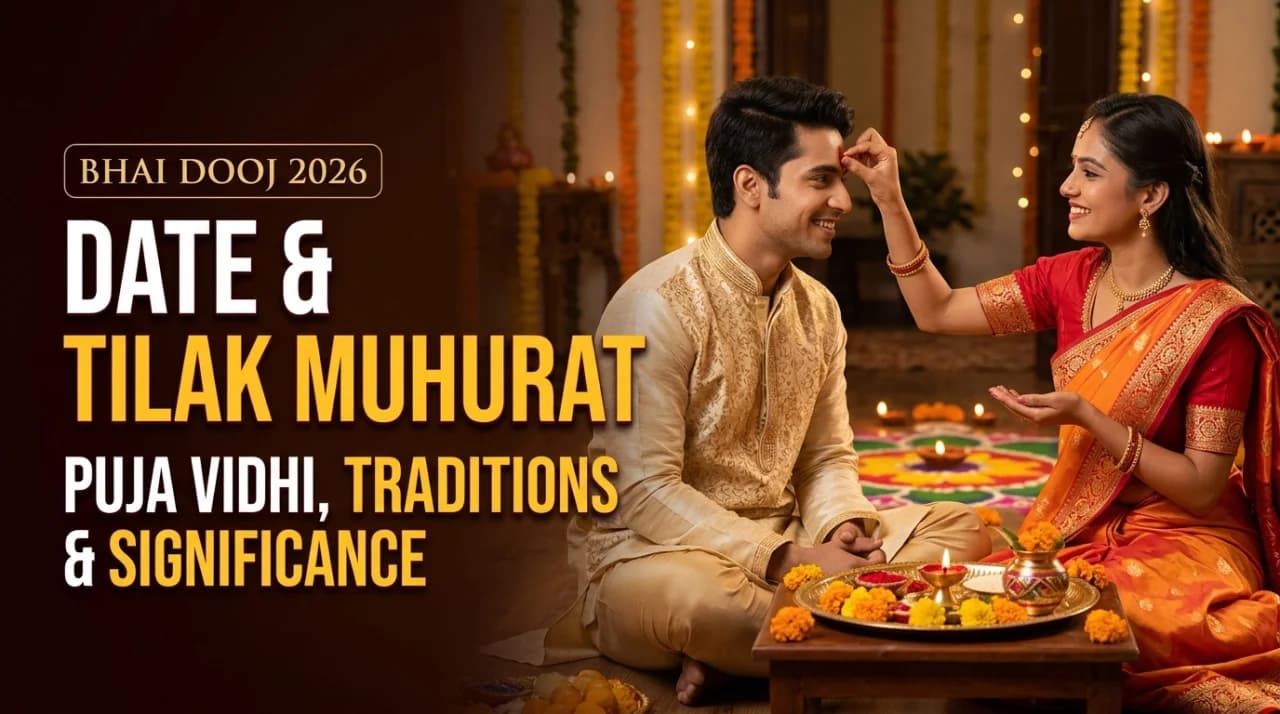
Bhai Dooj 2026 will be celebrated on November 11, marking the special bond between brothers and sisters. Discover the tilak muhurat, puja vidhi, traditional rituals, mythological stories, regional celebrations and thoughtful gift ideas. Learn how to celebrate Bhai Dooj at home and understand the significance of this beautiful festival of love, prayers and family togetherness.
Diwali is not just about beautiful lights, sweets and decorations. It is also about spending time with family and celebrating the relationships that make our lives special. One such festival is Bhai Dooj, which celebrates the loving bond between brothers and sisters.
Bhai Dooj will be celebrated on Wednesday, November 11, 2026, in India. On this day, sisters apply tilak on their brothers' foreheads, perform aarti and pray for their long life, happiness and wellbeing. Brothers also give gifts to their sisters and promise to support them through life's ups and downs.
The festival is celebrated in different ways across India, but its main message remains the same: love, care and respect between siblings.
If you are planning to celebrate Bhai Dooj this year, here is everything you need to know about its date, shubh muhurat, puja vidhi, traditional stories and significance.
Bhai Dooj 2026: Date and Tilak Muhurat
Bhai Dooj falls on the Dwitiya tithi of the Shukla Paksha in the Hindu month of Kartik. It is also known as Yama Dwitiya and marks the final day of the traditional five-day Diwali festival.
Here are the important details:
Date: Wednesday, November 11, 2026
Tithi: Kartik Shukla Dwitiya
Dwitiya tithi begins: November 10, around 2:00 PM
Dwitiya tithi ends: November 11, around 3:53 PM
Aparahna tilak muhurat: 1:29 PM to 3:45 PM in Mumbai
The afternoon period, known as Aparahna, is traditionally considered suitable for the Bhai Dooj tilak ceremony. However, the exact auspicious timing may differ depending on your location.
It is best to check a reliable local Panchang before performing the ritual. Families living outside India should also follow the tithi and muhurat applicable to their location.
What Is Bhai Dooj and Why Is It Celebrated?
Bhai Dooj is a Hindu festival dedicated to the relationship between brothers and sisters. The word Dooj refers to Dwitiya, the second lunar day on which the festival is observed.
Unlike Raksha Bandhan, which is celebrated with the tying of a rakhi, Bhai Dooj is mainly associated with applying tilak, performing aarti and sharing a meal.
On this day, sisters pray for their brothers' long life, happiness and prosperity. Brothers, in return, express their affection and offer gifts as a symbol of love and care.
The festival is also known by different names across India, including Bhau Beej, Bhai Beej, Bhai Phonta, Bhai Tika and Yama Dwitiya.
Even though the rituals may differ from one region to another, Bhai Dooj reminds us to value our siblings and make time for them, even when life becomes busy.
The Story Behind Bhai Dooj: Yama and Yamuna
One of the most popular stories associated with Bhai Dooj features Yama, the god of death, and his sister Yamuna, the river goddess.
According to Hindu tradition, Yamuna often invited her brother to visit her, but Yama remained busy with his duties. One day, he finally visited her on Kartik Shukla Dwitiya.
Yamuna welcomed him warmly, applied tilak on his forehead, performed aarti and prepared a special meal for him. Yama was touched by his sister's love and offered her a boon.
Yamuna asked that brothers who received tilak and blessings from their sisters on this day be protected from the fear of untimely death. Yama granted her wish, and the occasion became associated with the name Yama Dwitiya.
This story explains why sisters perform the tilak ceremony and pray for their brothers' wellbeing. It also highlights the importance of family love and spending time with the people who matter to us.
Another Story: Lord Krishna and Subhadra
Another popular story connects Bhai Dooj with Lord Krishna and his sister Subhadra.
According to this tradition, after Lord Krishna defeated the demon Narakasura, he returned home and was warmly welcomed by Subhadra. She greeted him with flowers, sweets and a tilak on his forehead.
This loving welcome is associated with the tilak ritual performed during Bhai Dooj today.
Both stories highlight the affection between siblings and the importance of welcoming loved ones with respect, prayers and happiness.
Bhai Dooj Puja Vidhi: How to Perform the Tilak Ritual
You do not need an elaborate setup to celebrate Bhai Dooj. A clean prayer space, a small puja thali and the presence of your sibling are enough to make the occasion meaningful.
Things to Keep in Your Puja Thali
Roli or kumkum for tilak
Akshat, or unbroken rice grains
A diya filled with ghee or oil
Flowers and sweets
Dry fruits or fruits
A coconut or betel leaf, if required by your family tradition
Step-by-Step Bhai Dooj Rituals
1. Get ready for the celebration
Both siblings can bathe and wear clean, festive clothes. Some families observe a fast until the tilak ceremony is completed.
2. Prepare the puja thali
Arrange the kumkum, rice grains, diya, flowers and sweets on a clean plate. Light the diya before beginning the ceremony.
3. Offer prayers
The sister may begin with prayers to Lord Ganesha and follow her family's customary prayers associated with Bhai Dooj.
4. Apply tilak
The sister applies tilak to her brother's forehead and places a few akshat grains over it, according to family tradition.
5. Perform aarti
She performs aarti for her brother and prays for his happiness, health and wellbeing.
6. Offer sweets and share a meal
The sister offers sweets or prasad to her brother. Many families prepare a special lunch or dinner to celebrate the occasion together.
7. Exchange gifts
The brother gives his sister a gift as a gesture of affection and appreciation. The most meaningful part of this exchange is the love and thought behind it, rather than the price of the gift.
How Is Bhai Dooj Celebrated Across India?
Bhai Dooj is celebrated with different names and customs in different parts of the country.
Maharashtra and Goa: The festival is popularly known as Bhau Beej. Sisters perform aarti for their brothers, followed by a family meal.
Gujarat: Bhai Beej is celebrated with tilak, prayers, sweets and visits to sisters' homes.
West Bengal: Bhai Phonta is observed with a special tilak ceremony. Some families observe a fast before applying the phonta.
Uttar Pradesh and other northern regions: Families commonly perform tilak and aarti, exchange gifts and prepare festive food.
Kayastha communities: Some families also observe Chitragupta Puja, worshipping Chitragupta, who is traditionally regarded as the divine record-keeper.
These regional customs show how one festival can have different expressions while celebrating the same bond of love.
Bhai Dooj Gift Ideas: What Can You Give Your Sibling?
Gifts are a lovely part of Bhai Dooj, but they do not have to be expensive. You can choose something that matches your sibling's interests and personality.
Popular options include clothing, books, accessories, chocolates, personalised gifts and items connected with spiritual traditions.
A Rudraksha bracelet is another option for families who appreciate spiritual gifts. Rudraksha beads are traditionally associated with Lord Shiva, and many devotees wear them as part of their spiritual practice.
Some people also choose Rudraksha according to date-of-birth analysis, including services offered by Rudralife. If you prefer a spiritual gift, select one that suits your sibling's beliefs and personal preferences.
A handwritten note, a thoughtful surprise or simply spending quality time together can be just as meaningful.
How to Celebrate Bhai Dooj When You Live Far Apart
Not every brother and sister can meet in person on Bhai Dooj. Work, studies and travel may keep siblings in different cities or countries.
Thankfully, you can still celebrate the festival meaningfully. Arrange a video call, perform your prayers at the appropriate local time and share sweets or gifts through delivery services.
Some siblings send a puja thali or festive sweets in advance. Others celebrate together virtually by sharing childhood memories, photographs and family stories.
The important thing is to make your sibling feel remembered and appreciated, even when you cannot be physically present.
Frequently Asked Questions About Bhai Dooj 2026
1. When is Bhai Dooj in 2026?
Bhai Dooj will be celebrated on Wednesday, November 11, 2026, in India.
2. What is the Bhai Dooj tilak muhurat in 2026?
The listed Aparahna muhurat for Mumbai is 1:29 PM to 3:45 PM. Check your local Panchang for the timing applicable to your city.
3. Why is Bhai Dooj also called Yama Dwitiya?
The name comes from the traditional story of Yama visiting his sister Yamuna and granting her a boon associated with brothers receiving tilak from their sisters.
4. What is the difference between Bhai Dooj and Raksha Bandhan?
Raksha Bandhan is celebrated with the tying of a rakhi, while Bhai Dooj focuses on tilak, aarti, prayers and a shared meal. The two festivals celebrate the bond between siblings in different ways.
5. What should be included in a Bhai Dooj puja thali?
A typical thali contains roli or kumkum, akshat, a diya, flowers and sweets. Additional items depend on family traditions.
6. What is a good gift for Bhai Dooj?
You can give clothes, books, accessories, personalised presents or a spiritual gift such as a Rudraksha bracelet. Choose something meaningful to your sibling.
Conclusion
Bhai Dooj is a beautiful reminder that relationships become stronger when we make time for one another. The tilak, aarti, sweets and gifts are important traditions, but the love and care behind these gestures make the festival truly special.
This Bhai Dooj 2026, take a moment to appreciate your sibling, remember your favourite childhood memories and strengthen the bond you share. Whether you celebrate together at home or connect through a video call, a heartfelt prayer and a little time for each other can make the day memorable.
May Bhai Dooj bring happiness, love and togetherness to every family.