Festival
Karwa Chauth 2026: Why Do Women Celebrate Karwa Chauth? Traditions, Rituals and Meaning
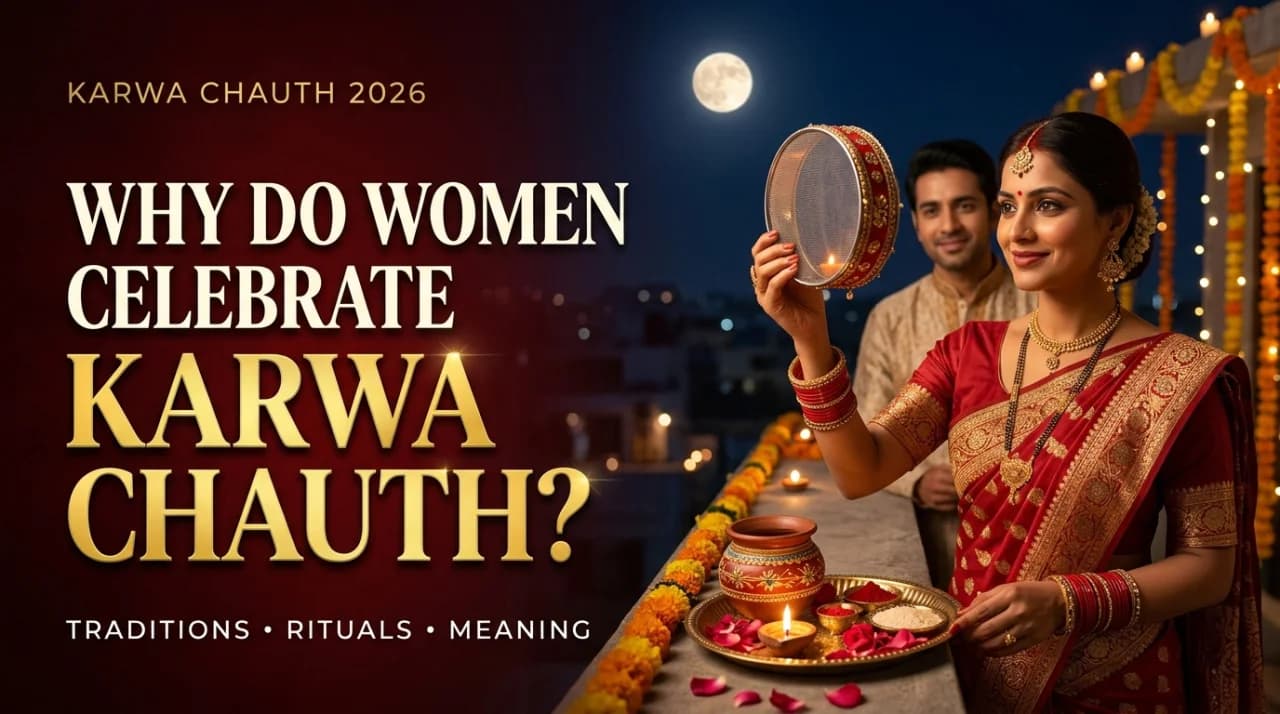
Karwa Chauth 2026 is a traditional Hindu festival celebrated with fasting, prayers and moonrise rituals. Discover why women celebrate Karwa Chauth, its religious significance, Goddess Parvati worship, and the beautiful traditions that make this festival special.
Karwa Chauth is one of the most loved Hindu festivals, especially among married women in North India. It is a day filled with devotion, colourful outfits, beautiful mehndi designs, family gatherings and the excitement of waiting for the moon to appear in the night sky. For many families, Karwa Chauth is not just about fasting but also about love, prayers and spending meaningful moments together.
The festival is mainly celebrated in states such as Punjab, Haryana, Rajasthan, Uttar Pradesh, Madhya Pradesh and Himachal Pradesh. It is also widely observed in Delhi and the National Capital Region (NCR), where many families follow the tradition with great enthusiasm.
Over the years, Karwa Chauth has become popular in other parts of India as well. Bollywood films, television serials and social media have played a major role in introducing its rituals to new audiences. Today, even people from regions where Karwa Chauth was not traditionally celebrated have started taking an interest in its customs.
What Is Karwa Chauth and Why Is It Celebrated?
Traditionally, married Hindu women observe a fast on Karwa Chauth to pray for the long life, health and well-being of their husbands. Many women follow a nirjala vrat, which means avoiding both food and water until the moonrise and the completion of the evening rituals.
However, the way people observe the festival can differ from family to family. Some women follow every traditional ritual, while others celebrate it in a simpler way. In recent years, some husbands have also started fasting alongside their wives as a gesture of love, support and togetherness.
Although the festival is traditionally associated with married women, some unmarried women also observe the fast with the hope of finding a suitable life partner in the future.
Karwa Chauth has also developed into a celebration of companionship. Couples often dress up, exchange gifts and spend time together, making the day special in their own way.
The Origin and Religious Significance of Karwa Chauth
Karwa Chauth falls on the Chaturthi, or fourth lunar day, during Krishna Paksha in the Hindu month of Kartik, according to the Purnimanta calendar followed in many North Indian traditions. In the Amanta calendar, the corresponding observance falls in the month of Ashwin.
The festival also coincides with Sankashti Chaturthi, a day associated with the worship of Lord Ganesha. Religious texts, including Dharamasindhu, Nirnayasindhu and Vratraj, refer to Karwa Chauth as Karaka Chaturthi.
The words Karaka and Karwa refer to a small earthen or metal pot traditionally used during the rituals. The karwa holds an important place in the puja and may also be offered as part of traditional charity, known as daan.
According to religious beliefs, observing the fast and performing the puja is associated with prayers for the husband's well-being and the happiness, prosperity and long-term welfare of the family. Traditionally, the observance has also been connected with blessings for children, grandchildren and household prosperity.
These customs reflect the importance of family relationships and devotion in the festival's traditional meaning.
Which Gods and Goddesses Are Worshipped on Karwa Chauth?
Goddess Parvati is considered the principal deity of Karwa Chauth. She is worshipped as a symbol of marital devotion, strength and the blessings of a happy married life.
During the evening puja, devotees may also worship Lord Shiva, Goddess Parvati's husband, along with their sons, Lord Ganesha and Lord Kartikeya.
Goddess Gaura and Chauth Mata are also worshipped in some traditions. Both are associated with Goddess Parvati.
Many women seek the blessings of the divine family for love, peace, happiness and harmony in their homes. The exact puja customs and the order of worship may vary depending on local traditions and family practices.
Karwa Chauth Rituals: From Mehndi to Moonrise
One of the most exciting parts of Karwa Chauth is the preparation. The festival often begins a day earlier, when women apply mehndi to their hands and get ready for the celebration.
Here are some of the main rituals associated with the day.
1. Applying Mehndi and Getting Ready
Women often decorate their hands with beautiful henna designs before the festival. On Karwa Chauth, many wear traditional outfits such as sarees, lehengas or suits, along with jewellery, bangles and other festive accessories. In some parts of Rajasthan, applying alta or mahawar to the hands and feet is also a tradition.
2. Observing the Fast
Women begin their fast according to their family's customs and the prescribed timing. Traditionally, the fast continues throughout the day without food or water. Since fasting without water may not be suitable for everyone, people should consider their health and seek medical advice when necessary.
3. Preparing for the Evening Puja
As evening approaches, women prepare their puja space with a karwa, diya, flowers, sweets and other ritual items. Some families use a Karwa Chauth puja calendar or illustrated pictures to guide the ceremony.
4. Worshipping Goddess Parvati
Women gather for the evening puja and offer prayers to Goddess Parvati and other deities. The Karwa Chauth story, or vrat katha, is traditionally narrated or read during the gathering. Listening to the story is an important part of the observance.
5. Waiting for the Moon
Moonrise is one of the most anticipated moments of Karwa Chauth. After waiting throughout the day, women look towards the night sky for the moon. The exact moonrise time changes according to the date and location.
6. Moon Sighting and Breaking the Fast
In many families, women view the moon through a sieve or a thin, transparent cloth and offer water to the Moon God, a ritual known as arghya. They then look at their husbands and complete the traditional prayers.
The fast is commonly broken when the husband offers water to his wife, followed by food. The couple and their family may then enjoy a meal together.
Although these are widely followed customs, the details can differ across communities.
Karwa Chauth in Modern India
Karwa Chauth has changed in many ways over time. Earlier, its observance was strongly connected with local customs and family traditions. Today, films, television shows, online videos and social media have made the festival familiar to a much wider audience.
For many couples, it is an opportunity to express affection and appreciate each other. Some follow traditional rituals closely, while others focus on spending quality time together.
At the same time, the festival can be celebrated in different ways, and fasting is a personal choice. Its meaning does not have to be limited to one particular ritual or way of celebrating.
Festivals Similar to Karwa Chauth
Karwa Chauth is not the only Indian festival associated with fasting and prayers for a spouse's well-being. Atla Tadde, celebrated in parts of Andhra Pradesh and Telangana, is another traditional observance associated with married and unmarried women, with customs that vary by community.
Such festivals show how different regions of India have developed their own ways of expressing devotion, celebrating relationships and praying for family happiness.
Final Thoughts
Karwa Chauth brings together faith, tradition, family and love. From applying mehndi and dressing up to performing the evening puja and waiting for the moon, every part of the festival has a special place in the hearts of many families.
While its rituals continue to evolve with changing times, Karwa Chauth remains an important cultural tradition for countless people. Whether celebrated through a traditional fast, family prayers or a simple moment of togetherness, the festival offers an opportunity to appreciate relationships and the values that keep families connected.