Festival
Vijayadashami 2026: Date, History, Significance and Why It Is Celebrated After Durga Puja
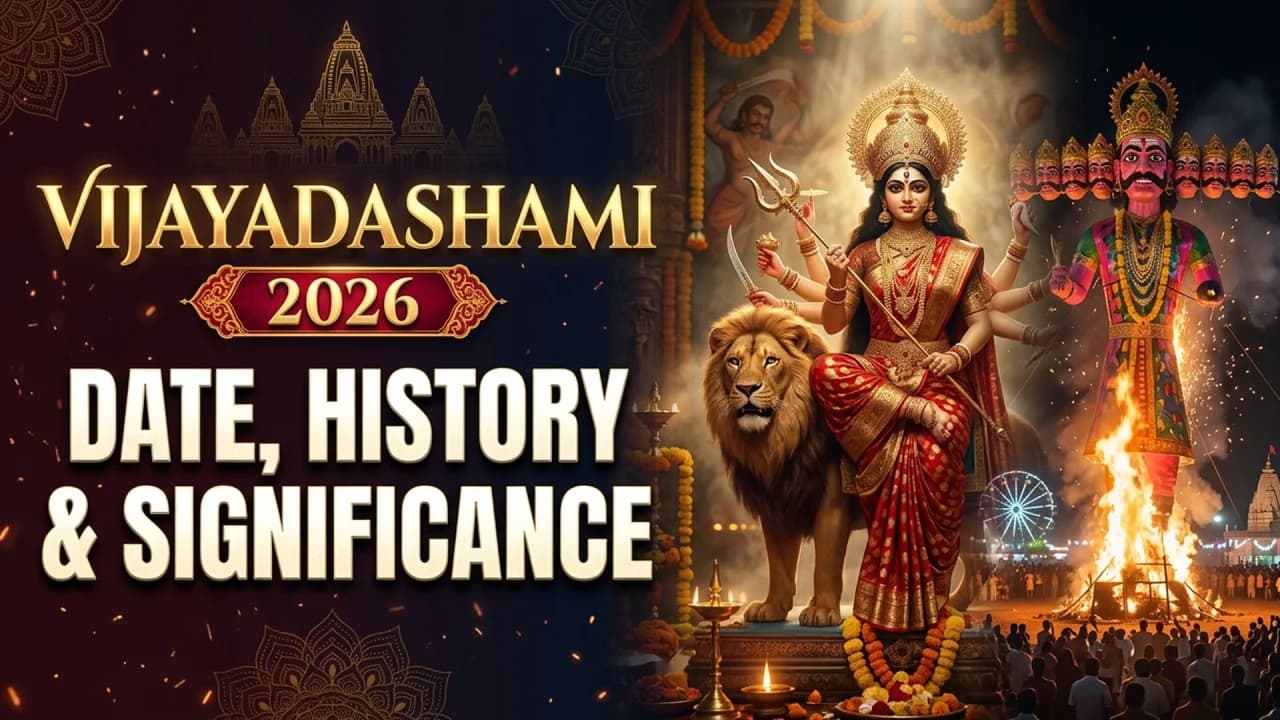
Vijayadashami 2026 will be celebrated on October 20, marking the end of Shardiya Navratri and Durga Puja. Discover the festival’s history, religious significance, and the stories of Maa Durga’s victory over Mahishasura and Lord Rama’s victory over Ravana. Learn about the traditions and why Vijayadashami symbolizes the victory of good over evil.
Vijayadashami is one of the most important Hindu festivals, celebrated as a symbol of the victory of good over evil. It marks the end of Shardiya Navratri and is closely connected with Durga Puja in many parts of India. On this day, devotees remember the victory of Maa Durga over Mahishasura and, in many other regions, the victory of Lord Rama over Ravana.
In 2026, Vijayadashami falls on Tuesday, October 20, according to commonly followed festival calendars. The festival is observed on the tenth lunar day, known as Dashami.
But have you ever wondered why Vijayadashami is celebrated after Durga Puja? Is it simply the last day of Navratri, or does it have a deeper religious meaning? The answer lies in ancient stories, traditional rituals, and the message of good overcoming evil.
Let’s explore the significance of Vijayadashami 2026, its connection with Maa Durga, and how people celebrate this special day across India.
What Is Vijayadashami?
The word Vijayadashami comes from two words: Vijaya, meaning victory, and Dashami, meaning the tenth lunar day.
Together, the name represents the idea of victory on the tenth day. The festival is celebrated with different traditions across India, but its central message remains similar: truth, courage, and righteousness can overcome evil.
In West Bengal, Odisha, and several eastern regions, Vijayadashami marks the conclusion of Durga Puja and commemorates Maa Durga’s victory over Mahishasura.
In northern and central India, the festival is widely known as Dussehra and is associated with Lord Rama’s victory over Ravana, as described in the Ramayana tradition.
Although these stories are different, both teach people the importance of standing against injustice and choosing the right path.
Why Is Vijayadashami Celebrated After Durga Puja?
Durga Puja is a festival dedicated to Maa Durga, who represents divine strength and protection. During the festival, devotees worship the goddess and remember her battle against Mahishasura.
According to the Devi Mahatmya, a sacred text associated with the Markandeya Purana, Maa Durga appeared through the combined divine energies of the gods to defeat Mahishasura and restore balance.
Her victory is celebrated during the Navratri and Durga Puja period. Vijayadashami marks the traditional conclusion of these celebrations and gives devotees an opportunity to express their gratitude and devotion.
In many communities, the day also marks Maa Durga’s ceremonial farewell. Families and devotees gather for prayers before the goddess's idol is taken for immersion, where that practice is followed.
So, Vijayadashami is not just the final day of a festival. It is a reminder of the victory celebrated throughout the preceding days of worship.
The Story of Maa Durga and Mahishasura
The story of Maa Durga and Mahishasura is one of the most important parts of Durga Puja.
According to Hindu mythology, Mahishasura was a powerful asura who became a threat to the gods and disturbed the balance of the universe. The gods struggled to defeat him and eventually united their divine energies to create Maa Durga.
The goddess appeared with divine weapons and rode a lion or tiger. She then faced Mahishasura in a fierce battle.
After a long struggle, Maa Durga defeated the demon and ended his reign of terror. Because of this victory, she is worshipped as Mahishasura Mardini, meaning the slayer of Mahishasura.
For devotees, this story represents more than a battle between a goddess and a demon. It reminds people that arrogance, injustice, and destructive behaviour should never be allowed to control society.
Vijayadashami celebrates this victory and encourages people to face their own challenges with courage and faith.
Why Is Vijayadashami Also Connected With Lord Rama?
If you have attended a Dussehra celebration in North India, you have probably seen a large effigy of Ravana being burned. This tradition comes from the Ramayana.
According to the epic, Ravana abducted Sita, the wife of Lord Rama. Rama, along with Lakshmana, Hanuman, and his allies, fought a battle against Ravana to rescue her.
Rama eventually defeated Ravana, symbolising the victory of righteousness over wrongdoing.
This is why many communities celebrate Vijayadashami as Dussehra. While the story of Maa Durga focuses on her victory over Mahishasura, the Ramayana tradition highlights Lord Rama's victory over Ravana.
Both stories share a common lesson: power without righteousness can lead to downfall, while courage and moral strength deserve respect.
How Is Vijayadashami Celebrated Across India?
The celebration of Vijayadashami changes from one state to another. Here are some popular traditions.
1. Maa Durga Visarjan
In West Bengal and other regions, devotees bid farewell to Maa Durga after days of worship. Where idol immersion is customary, the idols are taken in processions for Visarjan.
2. Sindoor Khela
In some Bengali communities, married women participate in Sindoor Khela. They offer vermilion to Maa Durga and apply it to one another as part of the farewell celebrations. This is a regional tradition and is not practised by every community.
3. Ravan Dahan
In many parts of North India, people gather to watch Ramlila performances. The celebrations often conclude with the burning of Ravana's effigy, representing the defeat of evil.
4. Shami Puja
Some communities worship the Shami tree on Vijayadashami. The tradition is associated with auspiciousness, courage, and victory.
5. Ayudha Puja
In several southern and western Indian traditions, people worship tools, books, vehicles, instruments, and work equipment. This ritual expresses gratitude for the things that support learning, work, and livelihood.
These different customs show how one festival can bring together India's many regional traditions.
What Is the Spiritual Significance of Vijayadashami?
Vijayadashami has a message that goes beyond religious stories and celebrations.
Courage: Maa Durga's victory inspires people to face difficult situations with strength.
Humility: The stories of Mahishasura and Ravana remind people that arrogance can lead to downfall.
Righteousness: The festival encourages people to choose honesty, fairness, and kindness.
New beginnings: The conclusion of Navratri gives many people an opportunity to start something meaningful.
Gratitude: Prayers and family traditions help devotees express thankfulness for the blessings they value.
These lessons can be applied in everyday life, whether someone is dealing with a personal challenge, starting a new journey, or trying to make better decisions.
Why Is Vijayadashami Considered Auspicious for New Beginnings?
Many Hindu families consider Vijayadashami a favourable day to begin new activities. Some people start learning a skill, begin a new project, purchase work-related tools, or make plans for the future.
In certain regions, children participate in Vidyarambham, a traditional ceremony marking the beginning of formal learning. Other communities perform Ayudha Puja to honour the tools and instruments they use in their daily lives.
These customs reflect the belief that Vijayadashami is a good time to begin something with positive intentions.
However, specific rituals and auspicious timings can vary by region and family tradition. Anyone planning a ceremony should check the local Panchang or consult their family priest.
Vijayadashami 2026: Date and Significance
Vijayadashami will be celebrated on Tuesday, October 20, 2026, according to commonly followed festival calendars. Devotees will observe the day through prayers, family gatherings, Durga Puja farewell ceremonies, Ramlila performances, and other regional traditions.
The exact puja and Ravan Dahan timings may differ by location, so it is best to check a reliable local Panchang before making plans.
Conclusion
Vijayadashami is celebrated after Durga Puja because it marks the traditional conclusion of the festival and commemorates Maa Durga's victory over Mahishasura. In many other parts of India, it is celebrated as Dussehra to remember Lord Rama's victory over Ravana.
Both traditions deliver an important message: goodness, courage, humility, and righteousness should guide our lives.
As Vijayadashami 2026 approaches, the festival offers an opportunity to spend time with loved ones, express gratitude, and make a fresh start with positive intentions.
May Maa Durga bless everyone with courage, wisdom, peace, and prosperity. Shubho Vijayadashami!