Katha
Bhai Dooj Story: How Yamuna’s Love for Yamraj Started a Beautiful Tradition
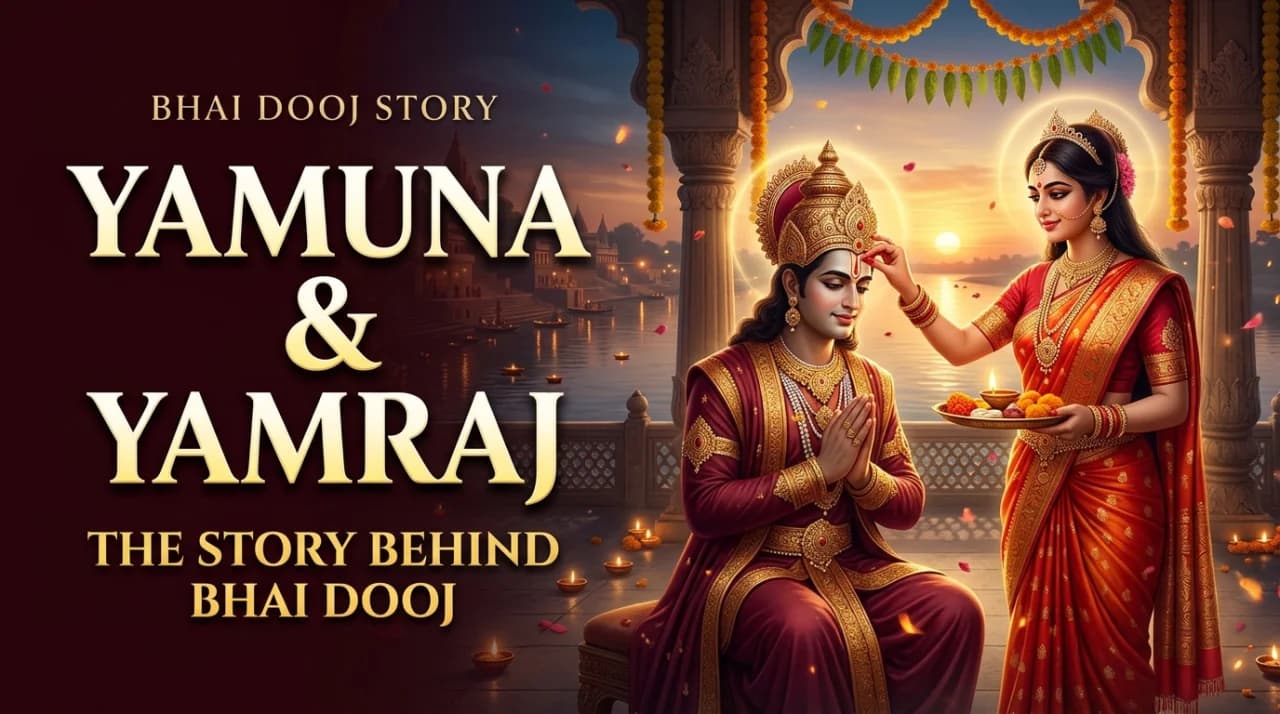
Discover the heartwarming story of Yamuna and Yamraj, the Hindu legend associated with Bhai Dooj. Learn how a sister's love, a tilak ritual, and a special blessing became part of this beloved festival.
Bhai Dooj is one of the most heartwarming festivals celebrated in India. It is a special day dedicated to the beautiful relationship between brothers and sisters. On this occasion, sisters apply a tilak on their brothers’ foreheads, pray for their happiness and well-being, and offer them sweets and delicious food. Brothers, in return, express their love and promise to support their sisters.
But have you ever wondered why sisters apply tilak on Bhai Dooj? What is the story behind this tradition?
According to Hindu mythology, the festival is connected to the story of Yamuna and her brother, Yamraj. Their story teaches us about sibling love, care, blessings, and the importance of making time for the people who matter most.
Let’s explore this beautiful story and understand how it became associated with Bhai Dooj.
The Birth of Yamuna and Yamraj
Once upon a time, in the divine world, there lived Surya Dev, the Sun God, and his wife, Sangya. They had two children named Yamraj and Yamuna.
Yamraj and Yamuna shared a very special bond. They loved each other deeply and enjoyed spending time together. Like many brothers and sisters, they had a relationship filled with affection, warmth, and care.
Yamuna was especially fond of her brother. She always wanted to meet him and spend time with him. She often invited Yamraj to visit her home, where she hoped they could sit together, talk, and enjoy a meal.
However, Yamraj had an important responsibility. He was known as the god who judged the souls of the departed and governed the realm of the dead. His duties kept him extremely busy, so he could not visit his sister as often as she wished.
Although Yamuna understood her brother's responsibilities, she still hoped that one day he would visit her. She wanted nothing more than to spend a little time with him and make some happy memories together.
Yamuna Waits for Her Brother
Days passed, but Yamuna continued to miss Yamraj. She did not want expensive gifts or grand celebrations. She simply wanted her brother to visit her home and share a meal with her.
Her feelings remind us of something very familiar. Sometimes, our family members become busy with studies, work, or other responsibilities. Even when we love each other, we may not always get enough time to sit together and talk.
Yamuna's story carries a similar message. Love is not always about grand gestures. Sometimes, spending time together is the most meaningful gift we can give someone.
Then, one special day arrived that would become an important part of Hindu tradition.
Yamraj Finally Visits Yamuna
According to the traditional story, Yamraj decided to visit his beloved sister on Kartik Shukla Dwitiya, the second day of the bright lunar fortnight in the Hindu month of Kartik.
Yamuna was overjoyed when she learned that her brother was coming to see her. She welcomed him warmly and made every effort to make him feel special.
She prepared a delicious meal with great affection and arranged a respectful welcome for him. The atmosphere was filled with happiness, and the siblings finally got the chance to spend time together.
Some versions of the legend also describe Yamraj opening the gates of the realm of the dead on this occasion, allowing the souls there a temporary release. This detail highlights the compassionate side of the story, although versions of the legend may differ.
For Yamuna, the most important thing was that her brother had finally come to visit her. After waiting for so long, she could enjoy his company and express her love for him.
Why Does Yamuna Apply Tilak to Yamraj?
During the visit, Yamuna performed a traditional welcome ritual for her brother. She applied a sacred tilak on his forehead and offered him food prepared with love.
The tilak was a sign of affection, respect, and her heartfelt prayers for his well-being. The meal was another way of showing how much she cared for him.
Yamraj was deeply touched by his sister's love and hospitality. He appreciated the effort she had made to welcome him and understood how much the visit meant to her.
This part of the story is closely connected to the way Bhai Dooj is celebrated today. Sisters apply tilak to their brothers, perform aarti in many traditions, offer sweets, and pray for their happiness and long life.
The rituals may differ from family to family and region to region, but the main feeling remains the same: celebrating the bond between siblings.
Yamraj Offers Yamuna a Blessing
After spending time with Yamuna, Yamraj prepared to return to his duties. Before leaving, he wanted to give his sister a special blessing as a way of thanking her for the love she had shown him.
He asked Yamuna what she wished for.
Yamuna thought carefully about her answer. She could have asked for something valuable for herself, but she chose a blessing connected to the happiness and safety of brothers and sisters.
She requested that Yamraj visit her every year on that special day. She also wished that brothers who visited their sisters on this occasion, and sisters who welcomed them with tilak and food, would receive his blessings and be protected from his fear.
Yamraj agreed to her request.
According to the legend, he also blessed those who took a dip in the sacred waters of the Yamuna River on this auspicious day. The tradition is associated with the belief that his blessings would protect them from his displeasure.
This is one reason the story of Yamuna and Yamraj is remembered during Bhai Dooj. It connects the festival with prayers, blessings, and the hope that siblings will enjoy a happy and peaceful life.
How Did This Story Become the Tradition of Bhai Dooj?
Over time, the story of Yamuna and Yamraj became closely associated with Bhai Dooj. The festival is celebrated on Kartik Shukla Dwitiya, shortly after Diwali.
On this day, sisters invite their brothers home whenever possible. They apply tilak, perform rituals according to family customs, offer sweets, and prepare or share a special meal. Brothers may give gifts to their sisters and express their love and support.
The festival is known by different names in different parts of India. In Maharashtra, it is commonly called Bhau Beej, while in parts of Nepal, a related celebration is known as Bhai Tika.
Even though the rituals can vary, the purpose is similar: to celebrate the relationship between brothers and sisters and wish each other happiness and well-being.
The Message of the Yamuna and Yamraj Story
The story of Yamuna and Yamraj is not just about the beginning of a festival. It also reminds us of the importance of family relationships.
Yamuna waited patiently for her brother because she valued their bond. Yamraj, despite his responsibilities, eventually made time to visit her. Their story shows that even a small gesture, such as visiting a sibling or sharing a meal, can mean a great deal.
In today's busy world, brothers and sisters may live in different cities, study in different places, or have demanding work schedules. Bhai Dooj gives them a reason to reconnect, share memories, and remind each other that their relationship matters.
The festival also teaches children the importance of love, respect, kindness, and gratitude. Gifts and sweets may be part of the celebration, but the real value of the day lies in the affection behind these gestures.
Conclusion
The story of Yamuna and Yamraj gives Bhai Dooj a special place in Indian culture. According to Hindu tradition, Yamuna's loving welcome and heartfelt wish led to a blessing that became associated with the festival.
Today, when sisters apply tilak to their brothers' foreheads, they continue a tradition connected with this beautiful mythological story. The celebration reminds families to value their relationships and make time for one another.
After all, Bhai Dooj is not only about tilak, sweets, or gifts. It is about the love that connects siblings, the blessings they wish for each other, and the promise to stand by one another through life's different stages.